Mak-RIF Strengthens Staff Capacity in Responsible AI Use and Grant Writing
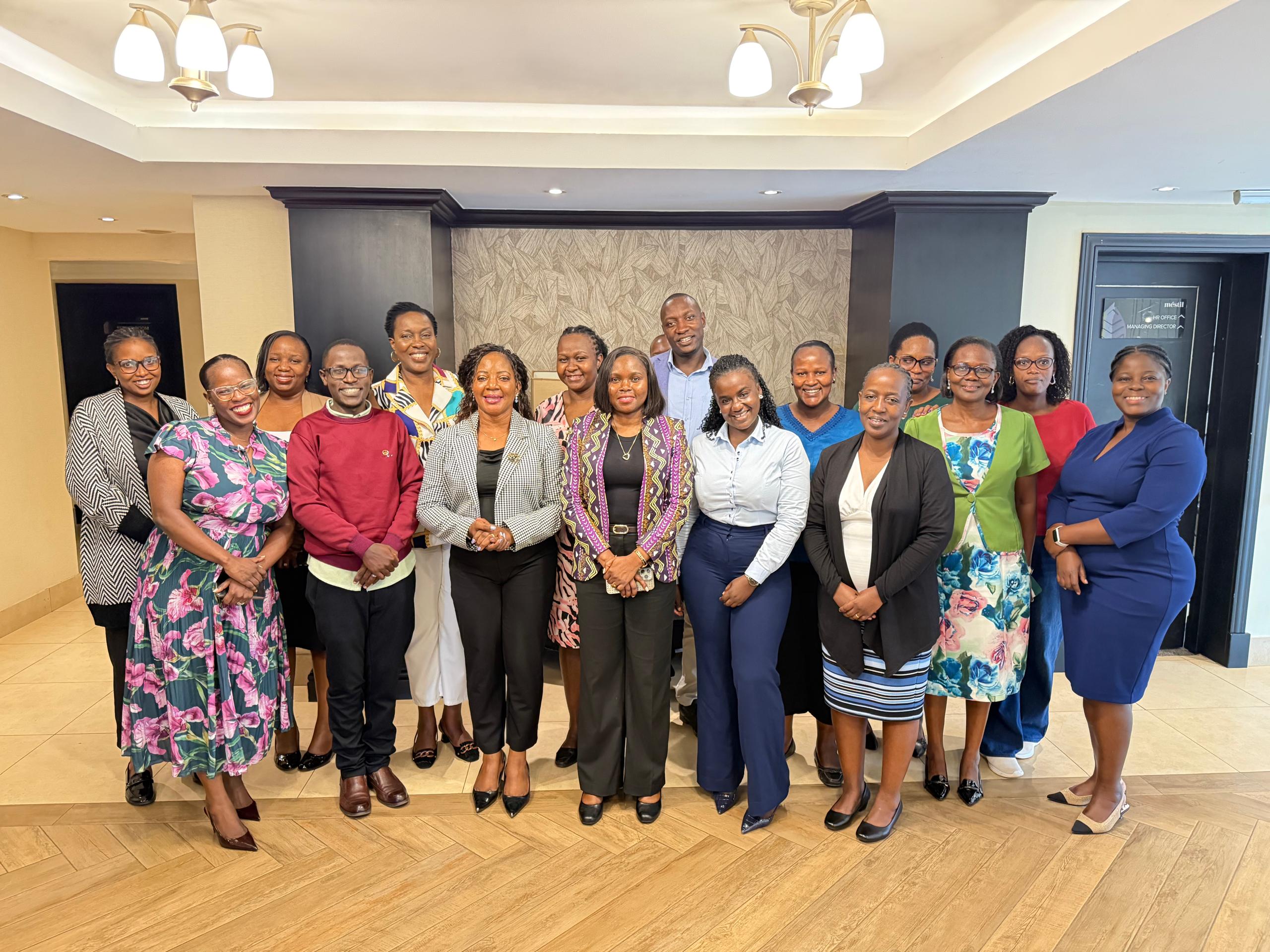
The Makerere University Research and Innovations Fund (Mak-RIF) organised a staff training programme on “AI in Research Administration and Management” on 22 October 2026 at Mestil Hotel. The training focused on the responsible use of artificial intelligence in the workplace and its application to grant writing, equipping staff to explore emerging technologies while maintaining professional standards.
The training responded to the changing demands of research administration, where staff handle proposals, coordinate grant processes, prepare reports and communicate with researchers and institutional partners. Applying AI to these responsibilities requires an understanding of its capabilities, limitations and implications for the quality and confidentiality of research information.
In her welcome remarks, Dr. Sabrina Kitaka, Acting Chairperson of the Mak-RIF Grants Management Committee, encouraged members of the Secretariat to listen attentively, ask questions and participate actively in the learning process. She emphasised that AI was here to stay and that staff needed to understand how to use it responsibly.
Her remarks set the tone for the first technical session, “Responsible Use of AI in the Workplace,” facilitated by Dr. Rose Nakasi. The session placed ethical and professional considerations at the centre of the programme, providing a foundation for examining AI’s practical applications in research support.
Responsible AI use requires staff to consider the information they enter into a tool, assess the accuracy of its output and understand the potential implications for researchers and institutions. These considerations are particularly important when handling proposals containing unpublished ideas, personal information and potentially valuable intellectual property.
Confidentiality therefore needs to guide decisions about which tools staff use and what material they share. Before processing sensitive research or institutional information, staff must assess whether the tool is appropriate for that purpose.
Accuracy is equally important. AI-generated summaries, drafts and analyses require careful review against reliable source material. In grant administration, an incorrect deadline, an altered eligibility requirement or an unsupported statement could mislead researchers and affect the quality of an application. Staff consequently retain responsibility for verifying information and ensuring that their final work meets institutional standards.
Building on this foundation, the second technical session explored “AI-supported Grant Writing.” Led by Ms. Stella Kakeeto, Grants Manager at the Makerere University School of Public Health, it connected responsible AI use with the preparation of clear, coherent and competitive funding proposals.
Grant writing requires researchers to define a convincing problem, demonstrate the relevance of their work and establish a clear relationship between objectives, methods, activities and expected results. Research administrators support this process by helping teams interpret funding requirements and prepare complete, well-organised applications.
AI tools can assist with organising ideas, improving clarity and identifying areas that need further explanation. Their usefulness depends on the instructions and source material provided, together with the care taken to review the resulting content.
A credible proposal must remain grounded in the researchers’ original ideas, an accurate understanding of the literature and a feasible implementation plan. Claims about previous studies, institutional capacity, partnerships and anticipated results require supporting evidence. Any references suggested by an AI tool must also be verified before inclusion.
These responsibilities extend to observing the relevant funding organisation’s requirements concerning AI assistance and disclosure. Careful attention to such requirements helps protect the credibility of applications and the integrity of the research development process.
The question-and-answer session with Ms. Kakeeto provided further space for participants to discuss AI-supported grant writing and its relevance to their research support roles.
In her closing remarks, Mrs. Phoebe Lutaaya Kamya, Mak-RIF Deputy Coordinator, described the training as enlightening and encouraged members of the Secretariat to apply the knowledge gained responsibly.
Her message reinforced the connection between staff development and the effective adoption of technology. Alongside learning how to use AI tools, staff need to recognise their limitations, review their outputs and exercise judgment about when their use is appropriate.
By bringing responsible workplace use and grant-writing support into one programme, Mak-RIF provided an opportunity for staff to examine how AI could support their work while preserving confidentiality, accuracy and accountability. The training underscored the importance of informed professional judgment as research administration adapts to emerging technologies.