Mak-RIF Celebrates 50 Years of EU–Uganda Partnership, Welcomes Opportunities to Advance Research and Innovation
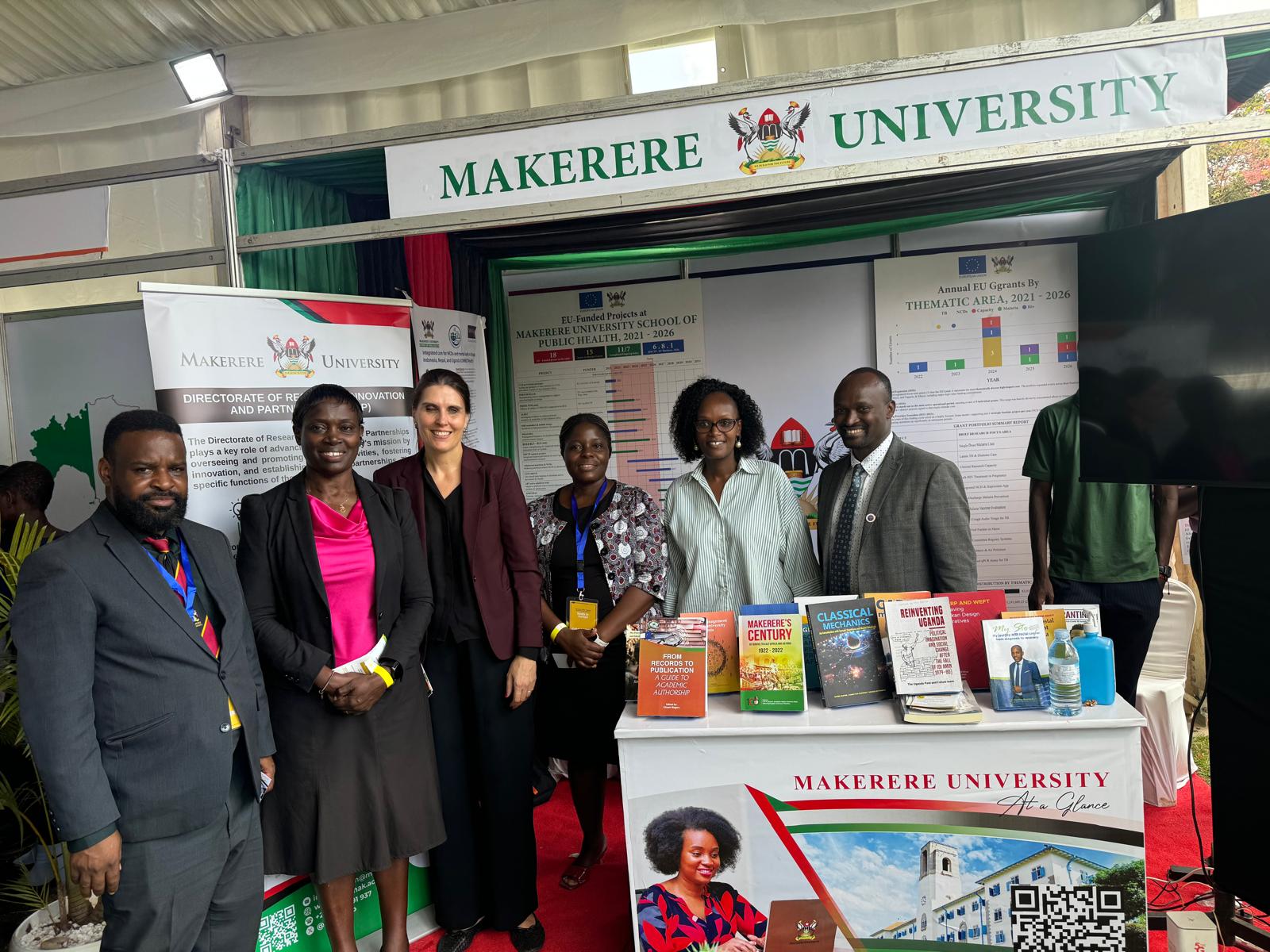
The Makerere University Research and Innovations Fund (Mak-RIF) joined the EU–Uganda Research and Study Fair at Freedom Square on 8 October 2026, celebrating five decades of partnership and exploring opportunities to strengthen research, skills development and international collaboration.
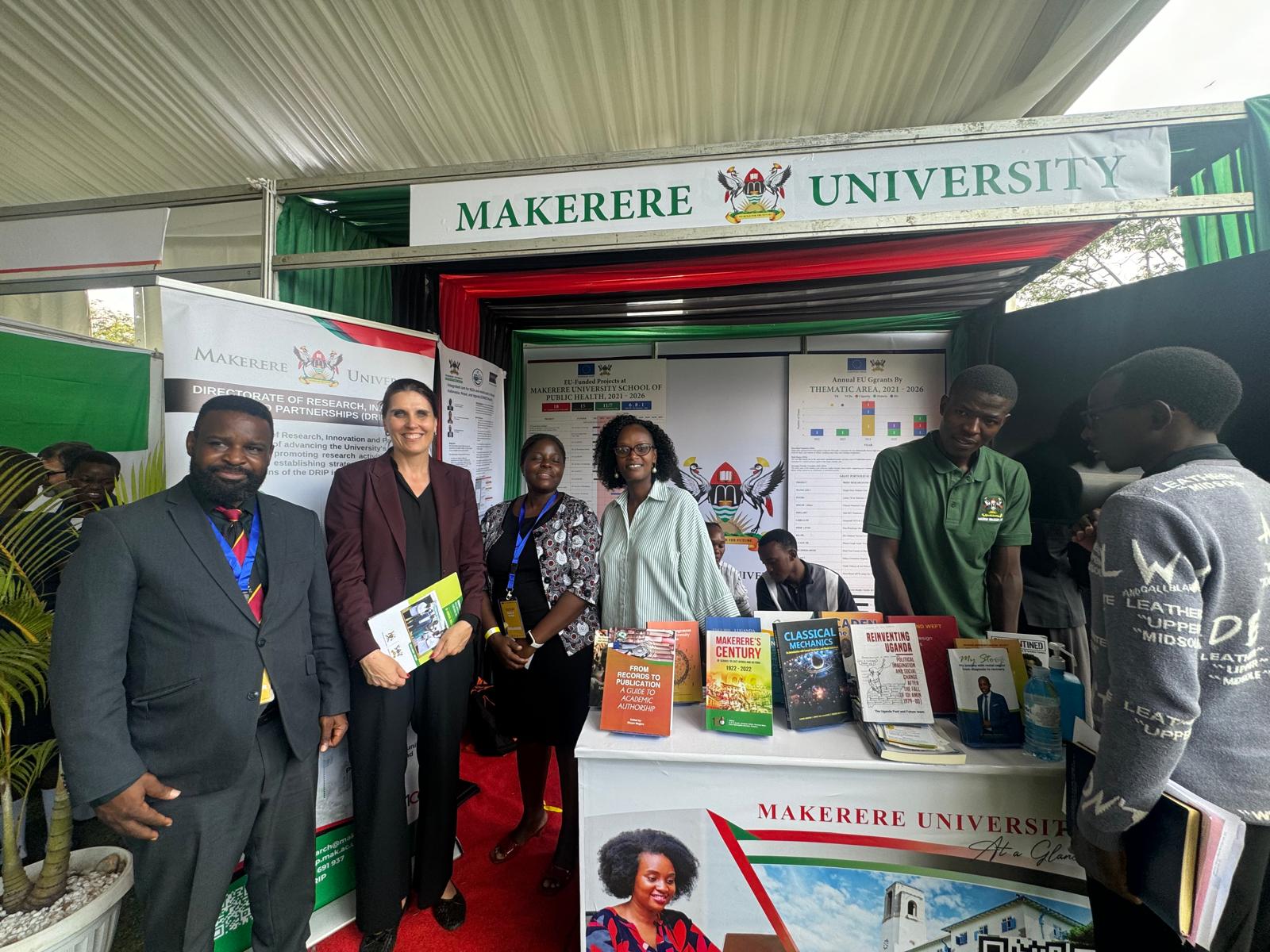
Organised by Team Europe, the European Union and its Member States in collaboration with Makerere University and the Ministry of Education and Sports, the fair brought together government representatives, academics, researchers, students and development partners. It highlighted scholarships, fellowships, exchange programmes and research partnerships available through European institutions.
For Mak-RIF, participation provided an opportunity to appreciate the investments that have helped develop Makerere’s research capacity and consider how international partnerships can support the next stage: translating knowledge into solutions that benefit communities, inform policy and support enterprise.
Within this broader European partnership, Sweden’s support through the Swedish International Development Cooperation Agency (Sida) deserves particular recognition. Its longstanding bilateral research cooperation with Uganda has supported postgraduate training, scientific research, research management and institutional development.
Doctoral training has been central to this investment, alongside supervision, collaboration with Swedish universities and improvements to the research environment. Support has also extended to laboratories, library resources, information technology and other systems essential to producing quality research.
The significance of this contribution extends beyond individual qualifications. Investment in doctoral education strengthens the capacity to ask relevant questions, generate credible evidence, mentor emerging researchers and sustain research programmes. For Mak-RIF, this investment provides an important foundation upon which Uganda can build its research and innovation agenda.
During her interaction with the Makerere team, H.E. Anna-Maria Olsson expressed appreciation for the ongoing collaboration and pledged continued support for research, innovation, commercialization and artificial intelligence. These areas offer opportunities for shared learning, knowledge exchange and skills development among researchers, students and partners. Her remarks highlighted the potential to build on past investments in research capacity by supporting the translation of knowledge into practical solutions and exploring emerging technologies that can advance development.
The fair also directed attention towards opportunities that Makerere’s researchers and students can pursue through European programmes.
Its programme featured guidance on Horizon Europe and Marie Skłodowska-Curie Actions, including how to connect with European research partners and consortia. These sessions were designed to help participants understand routes to research collaboration and researcher mobility, with examples spanning health, agriculture, climate and digital technologies.
For Mak-RIF-supported teams, such avenues could help extend promising research through complementary expertise, international networks and competitive funding applications. Turning these possibilities into results will require researchers to identify suitable calls, develop partnerships and prepare proposals that meet programme requirements.
Beyond introducing funding programmes, the fair’s agenda included practical guidance from EURAXESS Africa on finding relevant calls and collaboration opportunities through the EURAXESS platform and the EU Funding & Tenders Portal.
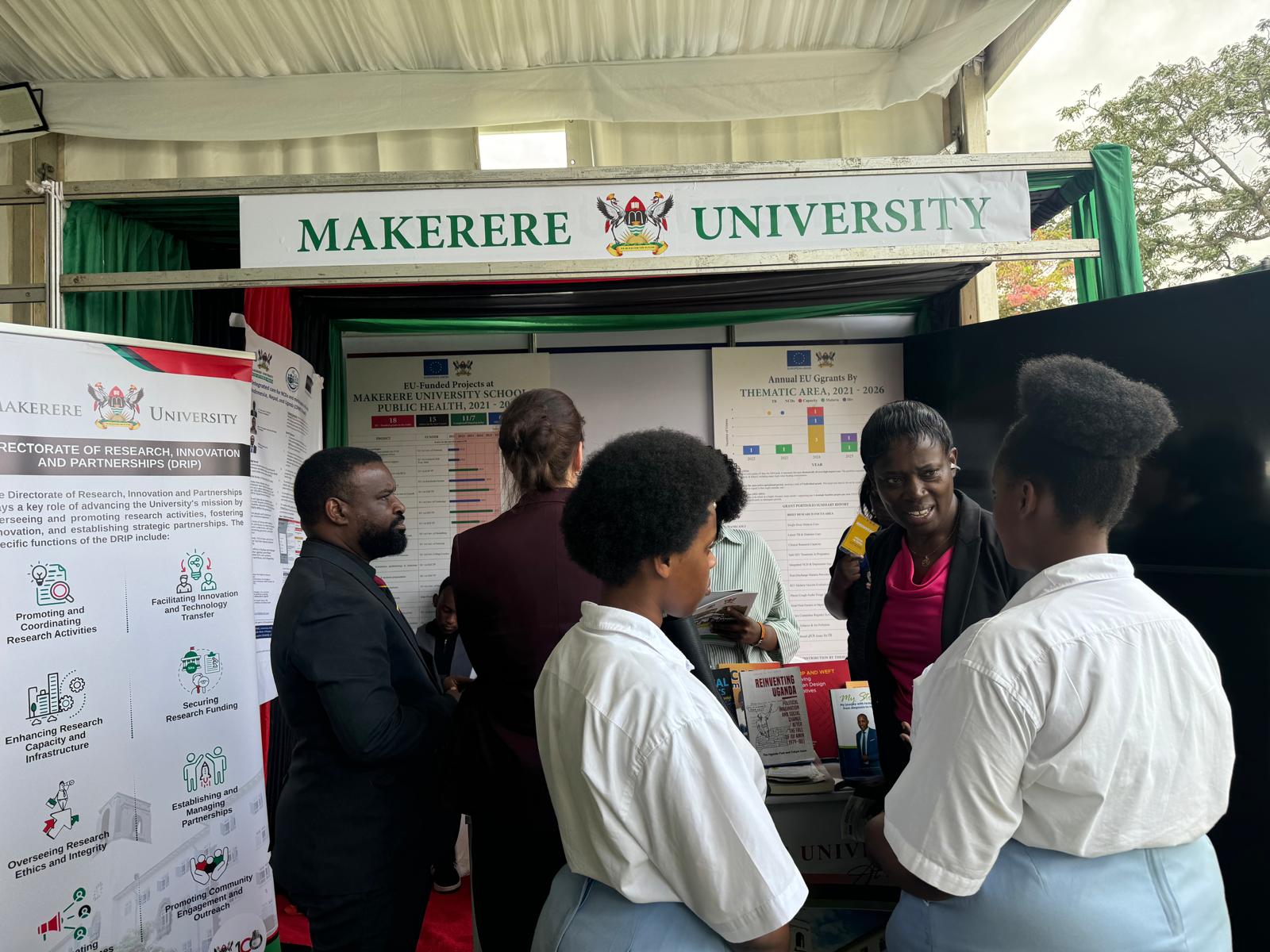
The programme also addressed studying in Europe, preparing applications, eligibility, timelines and questions about visas, language requirements and living costs. This guidance aimed to help participants move from awareness of opportunities towards informed preparation.
For Makerere, the value of these connections lies in linking individual opportunities with institutional priorities: stronger research teams, improved supervision, joint projects and knowledge that responds to Uganda’s development needs.
The celebration also showcased existing EU-supported work at Makerere. These included the Human Response, Health and Displacement Erasmus Mundus Joint Master Programme, which connects universities and practitioners, and a Makerere-coordinated project supporting competence-based education.
Together, these examples illustrated how international cooperation can strengthen teaching, practical learning and institutional capacity while bringing universities closer to the organisations and industries that use their knowledge.
For Mak-RIF, the anniversary offers an opportunity to connect appreciation for past investments with a purposeful agenda for the future. The research capacity strengthened through partnerships such as Sweden’s Sida-supported cooperation can underpin new collaborations that advance innovation, policy uptake and commercialization.
Mak-RIF appreciates the European Union, its Member States and, particularly, Sweden through Sida, for their contribution to strengthening Makerere’s research foundation. The opportunities highlighted at Freedom Square point towards a next chapter in which doctoral training, international collaboration and research funding are connected more deliberately to practical outcomes.
The enduring measure of these partnerships will be the difference they make: researchers equipped to address pressing challenges, institutions able to sustain quality research, and knowledge translated into better services, stronger livelihoods and opportunities for Uganda’s young people.
Compiled by Grace Cherotich Ruto, Engagement Officer, Mak-RIF.