Makerere University Conducts Training to Strengthen Climate-Sensitive Budgeting in Local Governments
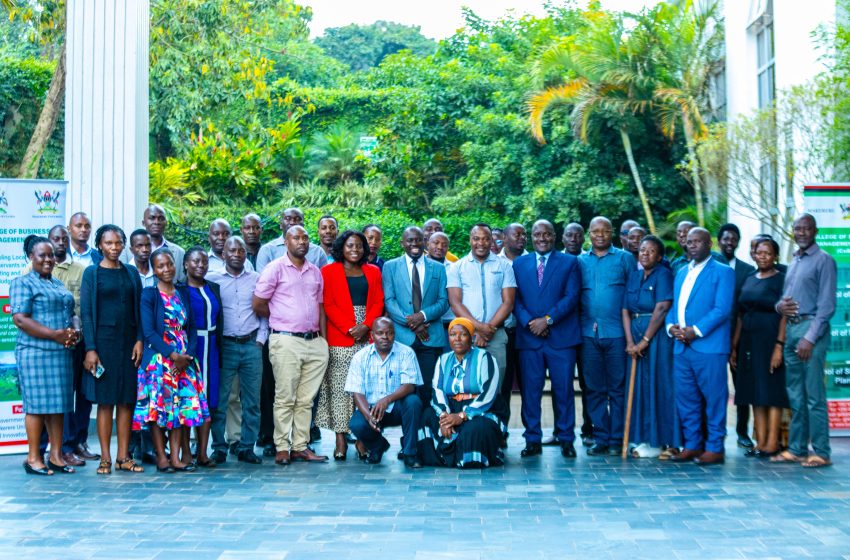
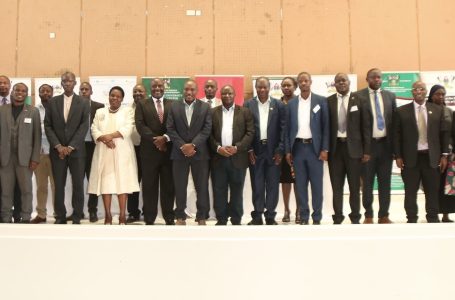
A one-day training aimed at enhancing the capacity of Local Government public servants in natural capital accounting and climate-sensitive budgeting has brought together researchers from Makerere University College of Business and Management Sciences (CoBAMS) and Local Government officials from the districts of Bukomansimbi, Lyantonde, Masaka, Kalangala, Kalungu, Lwengo, Sembabule, Kyotera, and Rakai.
The training, which was held at Brovad Hotel in Masaka City on 13th January 2026, was officially opened by Prof. Fred Masagazi-Masaazi, Chairperson of the Makerere University Research and Innovations Fund (Mak-RIF) Grants Management Committee. In his remarks, Prof. Masagazi-Masaazi emphasized the importance of budgeting for natural resources, noting that sustainable management of environmental assets is critical for effective service delivery and long-term development.
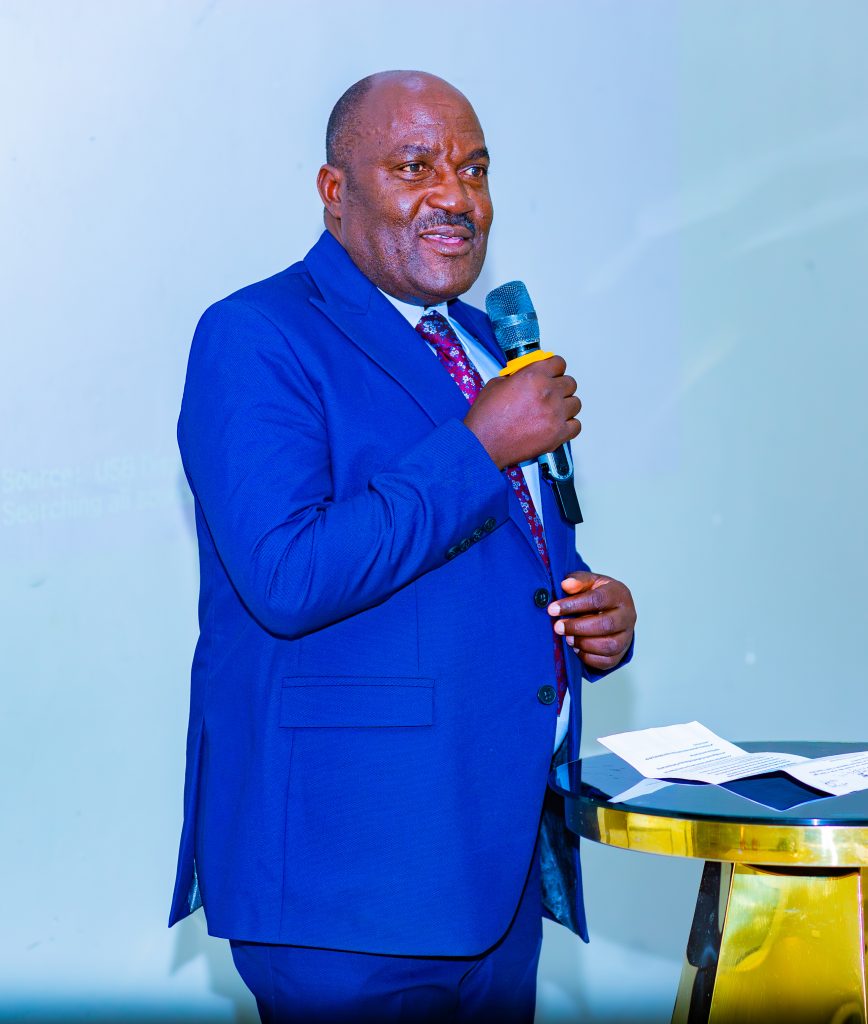
He commended Prof. Edward Bbaale, the Project Principal Investigator, and the research team for successfully organizing the training and reaching a key project milestone. Prof. Masagazi-Masaazi also acknowledged Makerere University management for fostering a supportive environment for research and innovation through funding mobilization and infrastructure development, as well as the Government of Uganda for continued financial support to research, innovations, and capacity development that meet Uganda’s development agenda.
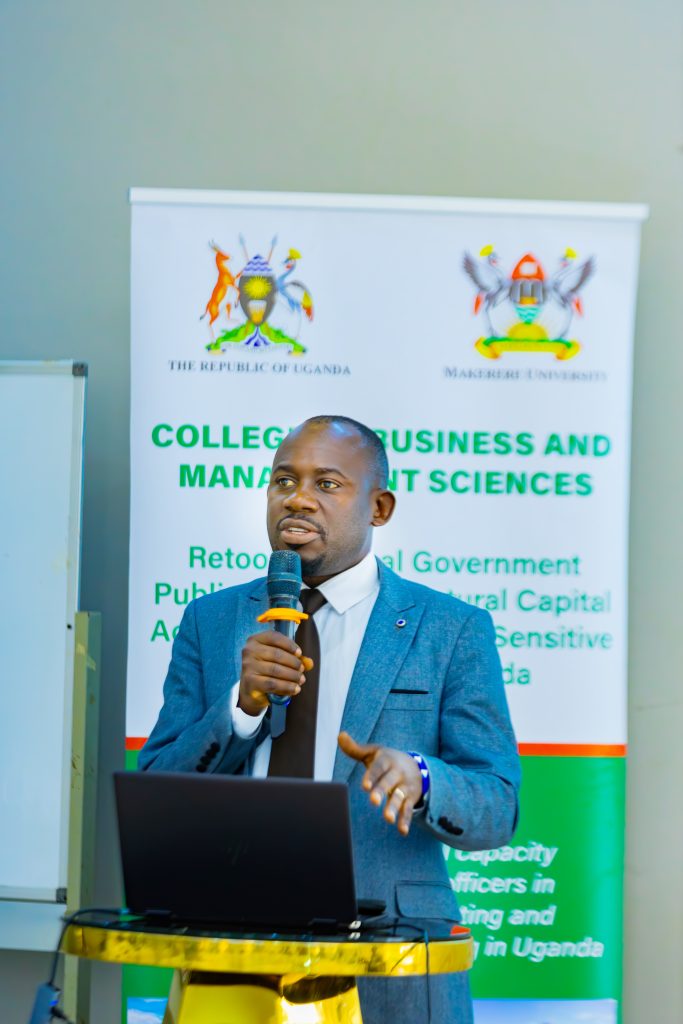
While presenting the project overview, Dr. Peter Babyenda, the Co-Principal Investigator and Policy Coordinator at CoBAMS, noted that the project addresses the urgent challenge of climate change. He highlighted that many Ugandans depend directly on natural resources for their livelihoods, making it essential for public servants to understand the economic value of these resources. He further observed that Local Government officials are frontline actors in safeguarding natural capital but often lack the tools and skills required for climate-sensitive planning and budgeting.
Dr. Babyenda also noted that inadequate technical capacity has contributed to the unsustainable conversion of forests, wetlands, and other natural assets for agriculture, settlement, and infrastructure. By strengthening decision-making at the local level, the training aims to reduce environmental degradation, improve climate resilience, and promote sustainable development.
According to Prof. Masagazi-Masaazi, the initiative marks the beginning of stronger collaboration between Makerere University and Local Governments and provides a platform for dialogue aimed at improving service delivery across districts and municipalities.
“Our hope as Mak-RIF is that this training will significantly enhance technical capacities at the Local Government level, strengthen Uganda’s resilience to climate change, promote sustainable development, and support evidence-based decision-making in the management of natural resources,” said Prof. Masagazi-Masaazi.
Participants received hands-on training in environmental valuation, natural capital accounting, climate change mitigation and adaptation, and climate-sensitive budgeting, with a strong focus on practical application.
“Natural resources and climate sensitive budgeting are not simple phenomenon. This training has been eye opening and has provided us with deeper understanding of different concepts and best practices,” said Ms. Rose Nakyejjwe, Natural Resources Officer, Masaka District Local Government.
About the training
The training is part of a Mak-RIF funded needs based project titled “Retooling Local Government Public Servants in Natural Capital Accounting and Climate-Sensitive Budgeting in Uganda.” It was developed in response to findings from a 2023 EfD-Mak survey, which revealed that 97.5% of Uganda’s environmental officers lack adequate skills and competencies which are considered critical for sustainable resource management and evidence-based policymaking. Such skills include environmental valuation, natural capital accounting, and climate change adaptation.
The project has rolled out intensive regional trainings across Uganda targeting Local Government public servants and equipping them with practical skills in environmental valuation, natural capital accounting, climate change mitigation and adaptation, and climate-sensitive budgeting.
The initiative aligns with Uganda’s Vision 2040, the Fourth National Development Plan (NDP IV), and global Sustainable Development Goals, particularly SDGs 8, 13, and 15. With nearly 40 percent of Ugandan households relying on climate-sensitive subsistence agriculture, stakeholders emphasized that building local capacity is essential for balancing economic growth with environmental protection.
A one-day training aimed at enhancing the capacity of Local Government public servants in natural capital accounting and climate-sensitive budgeting has brought together researchers from Makerere University College of Business and Management Sciences (CoBAMS) and Local Government officials from the districts of Bukomansimbi, Lyantonde, Masaka, Kalangala, Kalungu, Lwengo, Sembabule, Kyotera, and Rakai.
The training, which was held at Brovad Hotel in Masaka City on 13th January 2026, was officially opened by Prof. Fred Masagazi-Masaazi, Chairperson of the Makerere University Research and Innovations Fund (Mak-RIF) Grants Management Committee. In his remarks, Prof. Masagazi-Masaazi emphasized the importance of budgeting for natural resources, noting that sustainable management of environmental assets is critical for effective service delivery and long-term development.
He commended Prof. Edward Bbaale, the Project Principal Investigator, and the research team for successfully organizing the training and reaching a key project milestone. Prof. Masagazi-Masaazi also acknowledged Makerere University management for fostering a supportive environment for research and innovation through funding mobilization and infrastructure development, as well as the Government of Uganda for continued financial support to research, innovations, and capacity development that meet Uganda’s development agenda.
While presenting the project overview, Dr. Peter Babyenda, the Co-Principal Investigator and Policy Coordinator at CoBAMS, noted that the project addresses the urgent challenge of climate change. He highlighted that many Ugandans depend directly on natural resources for their livelihoods, making it essential for public servants to understand the economic value of these resources. He further observed that Local Government officials are frontline actors in safeguarding natural capital but often lack the tools and skills required for climate-sensitive planning and budgeting.
Dr. Babyenda also noted that inadequate technical capacity has contributed to the unsustainable conversion of forests, wetlands, and other natural assets for agriculture, settlement, and infrastructure. By strengthening decision-making at the local level, the training aims to reduce environmental degradation, improve climate resilience, and promote sustainable development.
According to Prof. Masagazi-Masaazi, the initiative marks the beginning of stronger collaboration between Makerere University and Local Governments and provides a platform for dialogue aimed at improving service delivery across districts and municipalities.
“Our hope as Mak-RIF is that this training will significantly enhance technical capacities at the Local Government level, strengthen Uganda’s resilience to climate change, promote sustainable development, and support evidence-based decision-making in the management of natural resources,” said Prof. Masagazi-Masaazi.
Participants received hands-on training in environmental valuation, natural capital accounting, climate change mitigation and adaptation, and climate-sensitive budgeting, with a strong focus on practical application.
“Natural resources and climate sensitive budgeting are not simple phenomenon. This training has been eye opening and has provided us with deeper understanding of different concepts and best practices,” said Ms. Rose Nakyejjwe, Natural Resources Officer, Masaka District Local Government.
About the training
The training is part of a Mak-RIF funded needs based project titled “Retooling Local Government Public Servants in Natural Capital Accounting and Climate-Sensitive Budgeting in Uganda.” It was developed in response to findings from a 2023 EfD-Mak survey, which revealed that 97.5% of Uganda’s environmental officers lack adequate skills and competencies which are considered critical for sustainable resource management and evidence-based policymaking. Such skills include environmental valuation, natural capital accounting, and climate change adaptation.
The project has rolled out intensive regional trainings across Uganda targeting Local Government public servants and equipping them with practical skills in environmental valuation, natural capital accounting, climate change mitigation and adaptation, and climate-sensitive budgeting.
The initiative aligns with Uganda’s Vision 2040, the Fourth National Development Plan (NDP IV), and global Sustainable Development Goals, particularly SDGs 8, 13, and 15. With nearly 40 percent of Ugandan households relying on climate-sensitive subsistence agriculture, stakeholders emphasized that building local capacity is essential for balancing economic growth with environmental protection.