Makerere University Strengthens Global Research Partnership Following Strategic Visit by Professor Daniel Branch of University of Warwick
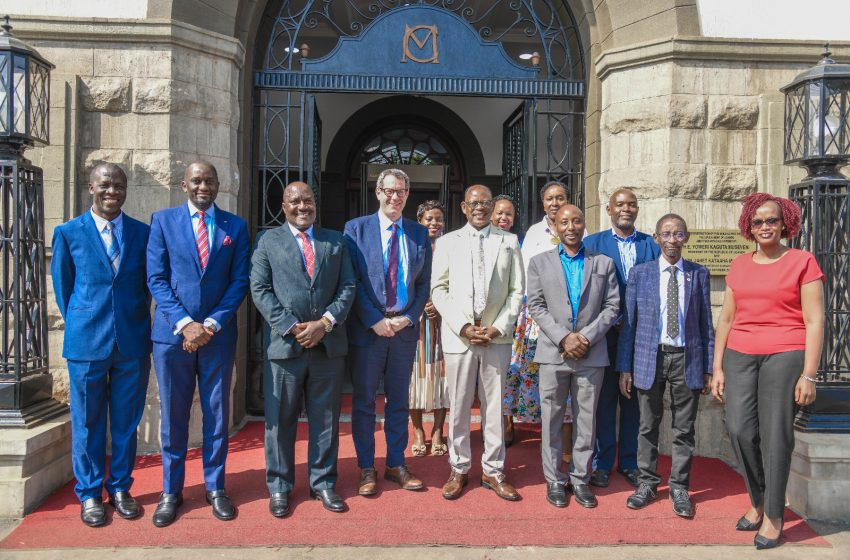
Makerere University has reinforced its position as a leading African research and innovation powerhouse following a high-level strategic visit by Professor Daniel Branch, Deputy Vice Chancellor of the University of Warwick.
The two-day engagement marked a significant milestone in the deepening partnership between one of Africa’s oldest and most prestigious universities and one of the United Kingdom’s globally ranked research institutions. More than a ceremonial exchange, the visit signaled a shared ambition to expand international research collaboration, drive innovation, link academia with industry, and strengthen institutional capacity to address global challenges.
Strengthening a Strategic UK–Africa Academic Partnership
Professor Branch was officially received by Makerere University’s Vice Chancellor, Professor Barnabas Nawangwe, in discussions centered on expanding joint research programmes, collaborative grant applications, student and staff exchange programs, and innovation development.
Both institutions reaffirmed a common vision to leverage academic excellence, research expertise, and innovation ecosystems to respond to pressing global issues including climate change, food security, digital transformation, public health, and sustainable development.
Professor Branch’s visit to Makerere University reflects a growing trend of strategic partnerships between African and Western universities and research institutions. For Uganda and the East African region, it reinforces Makerere’s expanding role as a continental hub for research leadership and knowledge production.
Showcasing Research Excellence at CEDAT
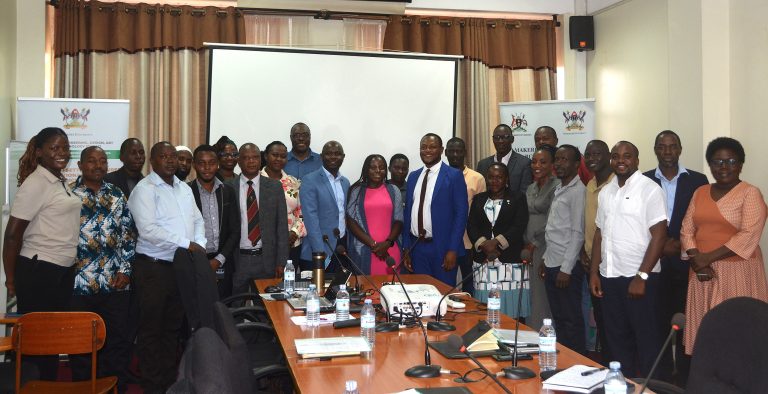
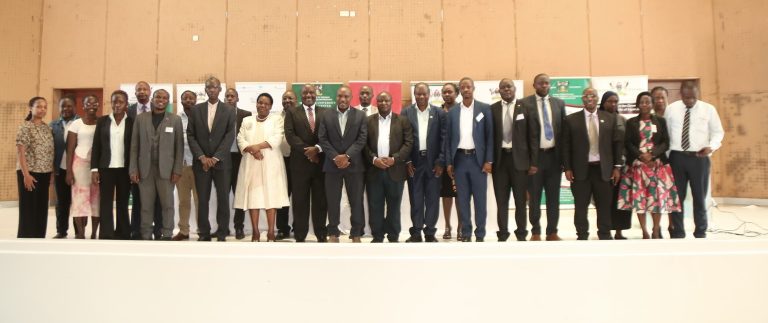
A key highlight of the visit was Professor Branch’s engagement with researchers and innovators from various colleges who convened at the College of Engineering, Design, Art and Technology (CEDAT).
Here, multidisciplinary teams presented innovative projects addressing national and regional priorities including engineering solutions, digital technologies, and enterprise development initiatives. The interactive sessions demonstrated Makerere’s growing capacity to generate locally relevant, globally competitive research solutions, positioning the university as a bridge between African innovation ecosystems and international research networks.
Innovation in Action: Visit to UNIPOD

Professor Branch also toured the Makerere University Innovation Pod (UNIPOD), hosted by Dr. Cathy Mbidde. The UNIPOD, a dynamic innovation hub, has become a cornerstone of Makerere’s efforts to nurture creativity, entrepreneurship, and technology-driven solutions among students and researchers.
During the tour, Professor Branch interacted with innovators developing prototypes and innovative solutions in areas such as digital technologies, engineering applications, and enterprise development. The visit highlighted Makerere’s deliberate investment in building a thriving innovation ecosystem that supports the translation of ideas into viable enterprises and sustainable solutions with real-world impact.
For Warwick, whose global reputation includes research commercialization and innovation management, the engagement provided a valuable opportunity to explore knowledge exchange in building sustainable university-based innovation ecosystems.
Advancing Agricultural Research and Food Security at MUARIK

The delegation also visited the Makerere University Agricultural Research Institute, Kabanyolo (MUARIK), one of the university’s flagship agricultural research centers.
Accompanied by Mak-RIF’s Coordinator Dr. Roy William Mayega, Professor Branch was received by MUARIK’s Director Dr. Peter Ebanyat and Associate Professor Isa Kabenge who is a member of the Mak-RIF Grants Management Committee representing the College of Agriculture and Environmental Sciences (CAES). Researchers presented pioneering work focused on:
1. Climate-resilient farming systems
2. Sustainable agricultural practices
3. Food security and nutrition
4. Soil health and environmental conservation
In Uganda and the wider region, agricultural research remains central to socio-economic transformation. MUARIK represents a critical site for collaborative research addressing global food systems and climate adaptation challenges.
Expanding Opportunities for Students and Researchers
Throughout the visit, discussions emphasized practical pathways for collaboration, including:
1. Joint research programmes and co-authored publications
2. Collaborative international grant applications
3. Staff and student exchange programmes
4. Mentorship initiatives for early-career researchers
5. Strengthening research governance and grant management systems
6. Advancing commercialization of research outputs
The engagement underscored the importance of translating academic knowledge into tangible societal impact, which is a shared priority for both Makerere and Warwick.
Elevating Makerere’s Global Standing
Members of Makerere’s academic community described the visit as a strong affirmation of the university’s rising international reputation. By attracting senior academic leadership from a globally recognized UK institution, Makerere continues to demonstrate its credibility as a trusted research partner.
The visit also aligns with Makerere University’s strategic direction to:
1. Expand global partnerships
2. Enhance research competitiveness
3. Strengthen innovation infrastructure
4. Contribute meaningfully to Uganda’s development agenda and beyond
A Foundation for Long-Term Collaboration
As Professor Branch concluded his visit, both institutions expressed optimism about formalizing and scaling up collaborative initiatives in the near future. The visit laid a solid foundation for future joint initiatives aimed at empowering researchers, strengthening innovation infrastructure, and creating new opportunities for students and faculty.
More than a diplomatic gesture, the visit symbolized Makerere University’s continued emergence as a globally connected institution committed to driving innovation, advancing research excellence, transforming lives, and shaping solutions that extend beyond Uganda to the wider African continent and the global community.